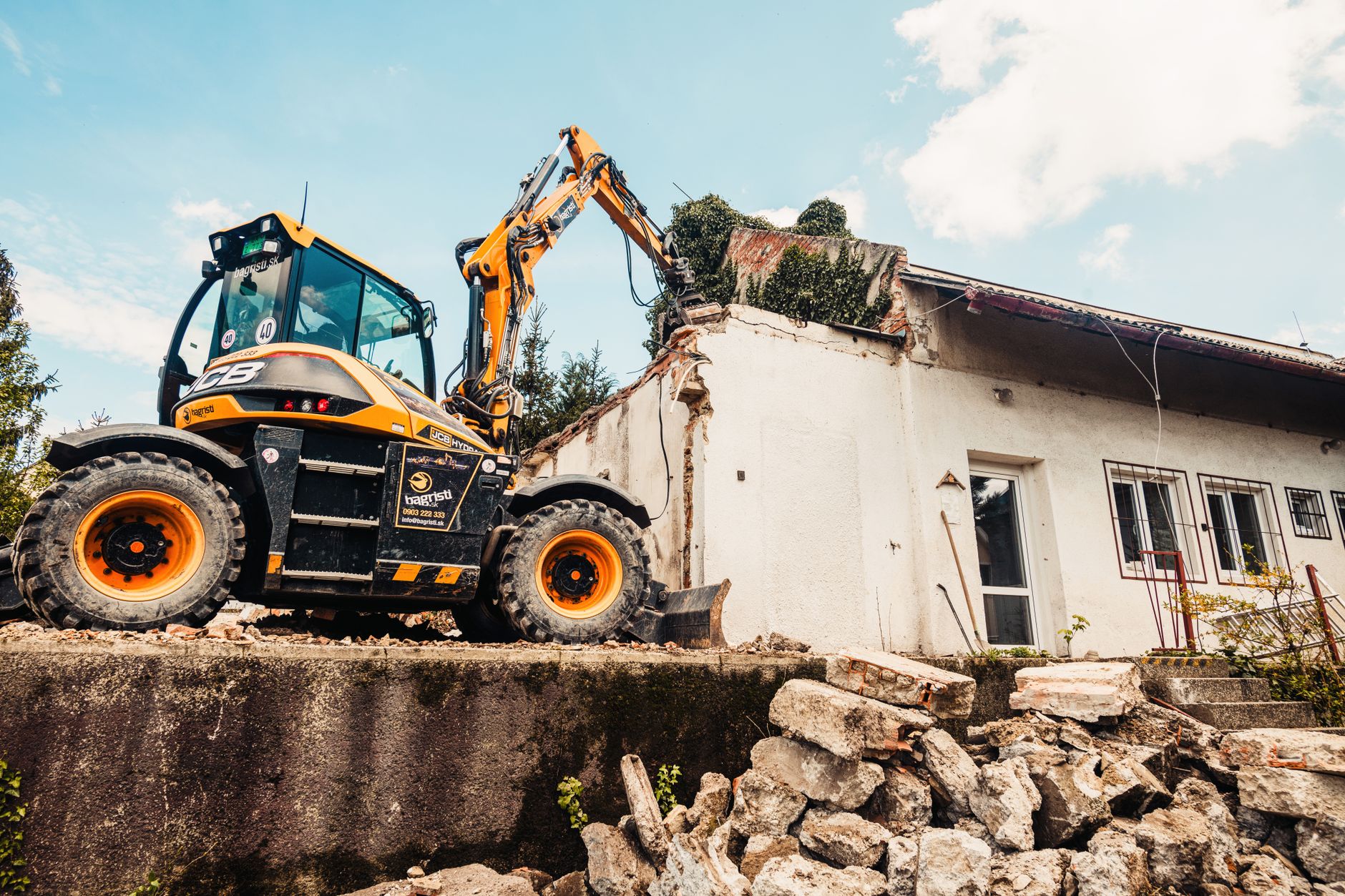
Shed Demolition and Removal Costs in the East Bay: What Homeowners Should Budget
By Diaz Hauling11 min read
Shed demolition and removal in the East Bay typically costs between $300 and $1,200 (dropcurb.com). The price depends on shed size, materials, and access conditions. A standard 10x12 wood shed runs $350 to $600 all-in (housecallpro.com). Concrete slabs, hazardous materials, or difficult site access add cost. Most licensed local haulers complete the job in a single day.
What Does Shed Demolition and Removal Cost in the East Bay?
Professional shed removal nationally runs $200 to $2,000, with a national average of $650 (dropcurb.com). East Bay pricing runs higher than the national average. Bay Area labor rates are higher. Alameda County disposal fees are higher. California's strict waste diversion requirements add cost. For most Oakland, Berkeley, and Hayward homeowners, the realistic all-in range is $300 to $1,200 for a standard residential shed (dropcurb.com). Larger or more complex projects, particularly those involving concrete slabs or hazardous materials, push into the $1,200 to $2,500 range. National franchises like 1-800-GOT-JUNK typically price 20 to 40 percent higher than local licensed operators for the same job (woodsideca.gov). At Diaz Hauling, we provide upfront flat-rate pricing so the number you see during the estimate is the number on the final invoice, with no surprise charges added at the job site.
East Bay Price Ranges by Shed Size
Shed size is the most reliable predictor of total project cost. The table below reflects East Bay pricing, which runs above national benchmarks due to higher local labor and disposal costs.
| Shed Size | Material | Estimated East Bay Cost |
|---|---|---|
| Up to 8x10 | Wood | $300 to $450 |
| 10x12 to 12x12 | Wood | $400 to $650 (dropcurb.com) |
| 10x12 to 12x12 | Metal | $380 to $620 |
| 12x16 to 16x20 | Wood or Composite | $650 to $1,000 |
| 16x20 and above | Any material | $900 to $1,200+ |
| Any size with concrete slab | Wood or Metal | Add $500 to $1,500+ |
National per-square-foot benchmarks fall between $3.50 and $11.50, but Bay Area labor and disposal fees push local rates toward the higher end of that range.
What Is Included in a Typical Shed Removal Quote?
A complete shed removal quote from a licensed East Bay hauler should cover more than just loading. It includes teardown, loading, transport, disposal fees, and site cleanup. The full scope includes teardown and deconstruction labor. It includes loading debris onto a licensed truck. It includes transport to a certified transfer station. It includes disposal fees and required diversion sorting. Organic waste already makes up approximately 50% of California's landfills (woodsideca.gov). A reputable quote also includes site cleanup so the pad area is swept and clear when the crew leaves. Any quote that omits disposal fees or diversion documentation is a red flag.
Key Factors That Affect Your Shed Removal Cost
Shed size drives the base price, but five additional variables can shift your total significantly. Understanding each one before requesting a quote helps you anticipate the final number. You can then spot lowball estimates that fail to account for real job conditions. In the East Bay, lots are tightly configured. This is true in Oakland, Berkeley, and Alameda. Access and site conditions drive costs significantly. At Diaz Hauling, our team has found that roughly a third of East Bay shed jobs involve at least one complicating factor beyond simple teardown: a tight gate, a slab, contents left inside, or a material requiring special handling.
How Does Shed Material Change the Price?
Material type affects both the teardown labor and where the debris gets routed after pickup. Wood-frame sheds are the fastest to dismantle and the least expensive to remove. They break down cleanly, load efficiently, and qualify for standard wood debris diversion. Metal sheds take more labor to disassemble safely, but the steel or aluminum panels often carry scrap value that a licensed hauler can apply as a partial cost offset. Composite or vinyl sheds require sorting because they cannot go into standard wood debris piles, adding time and complexity at the transfer station. The most significant material cost driver is asbestos. Sheds built before 1980 frequently used asbestos-containing siding, roofing, or insulation materials. When asbestos is present, licensed abatement must happen before any demolition begins. Residential asbestos removal nationally averages $2,244, with most projects falling between $1,215 and $3,280 (homeadvisor.com). Roofing removal specifically runs $50 to $120 per square foot (homeadvisor.com). A cost-per-square-foot approach is common for interior abatement work, nationally averaging $5 to $20 per square foot (acm-contracting.com). Any hauler who offers to remove an older shed without testing for asbestos is not protecting you legally or financially.
Why Does Site Access Matter for Pricing?
Site access is the variable homeowners most often underestimate. A shed with direct driveway or alley access takes 30 to 50 percent less labor time (woodsideca.gov). A shed tucked into a tight backyard behind a narrow gate takes much longer. For example, consider a homeowner in Oakland with a 12x12 wood shed located 40 feet from the nearest driveway access, requiring hand-carries of debris through a narrow side gate. That same shed with direct alley parking might complete in 2 hours, but the tight access scenario could stretch to 4 to 5 hours, adding $300 to $400 in labor costs to the final invoice (otesse.com). Dense East Bay cities have challenging lot configurations. Gates are often under 36 inches wide. Mature trees create overhead obstructions. Soft ground prevents truck staging near sheds. Each of these conditions forces the crew to hand-carry debris from the tear-down point to the truck, adding labor hours to the job. Steep slopes compound this further. When requesting a quote, describe your access conditions honestly. Include gate width, distance to staging area, ground type, and overhead clearance issues. Accurate information upfront ensures the flat-rate quote holds. Accurate information upfront means the flat-rate quote holds. Surprises discovered on job day are what turn reasonable projects into disputed invoices.
Does the Foundation Need to Be Removed Too?
Foundation type is the third major cost variable beyond size and material. Gravel or compacted dirt pads are typically included in a base removal quote at no extra charge. Pressure-treated wood skids add a small increment for disposal as treated lumber, which cannot go into standard wood debris streams. Poured concrete slabs are a different category entirely. Concrete removal requires jackhammering, which adds equipment time, and the rubble must be transported to a certified concrete recycling facility rather than a mixed debris station. A shed on a concrete slab nationally adds $500 to $1,500 or more to the total project cost (dropcurb.com). Some homeowners choose to keep the slab for a future patio or raised garden bed, which eliminates that cost entirely and is a legitimate strategy worth discussing with your hauler before the job begins.
Permit and Disposal Regulations East Bay Homeowners Need to Know
This section is where many homeowners and even some contractors get caught off guard. California has some of the most detailed construction and demolition debris management requirements in the country, and Alameda County enforces them actively. Getting this piece wrong does not just create paperwork headaches. It can result in fines assessed directly to the property owner even if an unlicensed hauler was responsible for the illegal dump. Wood debris from a demolished shed qualifies as organic waste and must be diverted, not landfilled. A licensed Alameda County hauler will document this diversion with a transfer station receipt. Ask for one.
Do You Need a Permit to Demolish a Shed in the East Bay?
Permit requirements vary by city, and the East Bay has no single uniform standard. The general rule across most Alameda County cities is that freestanding accessory structures under 120 square feet with no electrical panel and no plumbing do not require a demolition permit. The moment a shed crosses any of those thresholds, the rules change. Sheds with electrical subpanels, running water, or floor drains typically require a demolition permit, and any utility connections must be formally disconnected before work begins. Oakland, Berkeley, Fremont, and Hayward each maintain their own building department permit thresholds, and those rules are updated periodically. The only reliable way to confirm whether your shed requires a permit is to call your city's building department before scheduling demolition. A reputable hauler will raise this question during the estimate phase. If a contractor skips the permit conversation entirely, that is a signal worth noting. Utility disconnects, when required, are typically coordinated with PG&E for electrical service or East Bay Municipal Utility District for water, and the scheduling time for those disconnects should factor into your project timeline.
How to Choose the Right Shed Removal Company in the East Bay
Choosing a shed removal company in Oakland, Berkeley, Hayward, or anywhere in the East Bay comes down to verifiable credentials, transparent pricing, and local knowledge. The East Bay market includes licensed contractors, unlicensed operators, national franchises, and everything in between. Treating all of them as equivalent is a mistake that can cost you more than money. The vetting framework below separates legitimate operators from those who create problems for homeowners after the job is done. Our team recommends starting every search with CSLB license verification, because that single check filters out a large portion of the market immediately.
What Questions Should You Ask Before Hiring a Hauler?
Before signing any agreement, get clear answers to six specific questions. First, ask for the company's CSLB license number and verify it yourself at the California Contractors State License Board website. The lookup is free and takes under two minutes. Second, request current certificates of general liability insurance and workers compensation. An uninsured worker injured on your property is a liability you did not plan for. Third, confirm you will receive a written flat-rate quote before any work begins. Load-based estimates that shift on-site are a common complaint in consumer reviews of junk removal services. Fourth, ask exactly where your debris goes and request a transfer station receipt at job completion. This protects you if debris is later traced back to your property from an illegal dump site. Fifth, confirm whether same-day or next-day scheduling is available if your timeline is tight. Sixth, ask explicitly what happens if hazardous materials like asbestos or lead paint are discovered during teardown. A prepared contractor has a clear protocol. One who hesitates or dismisses the question does not.
How to Save Money on Shed Demolition Without Cutting Corners
Cost reduction on shed removal does not require compromising on licensing, insurance, or disposal compliance. Several strategies genuinely lower the project cost without shifting risk onto you. The most effective single action is clearing the shed of personal belongings and salvageable items before the crew arrives. Contents left inside are typically billed as additional junk removal volume, and standard junk removal nationally runs $70 to $570 depending on quantity (housecallpro.com). A full truckload of general junk on top of shed debris can add $600 to $800 to a project that otherwise would have stayed within budget (housecallpro.com). Combining the shed removal with a garage cleanout or estate cleanout services in the same appointment reduces cost per load because the truck is already on site and the travel and setup time is shared. Ask your hauler explicitly whether a combined-service discount applies.
Is DIY Shed Demolition Worth It to Save Money?
Nationally, DIY shed demolition runs $170 to $500 when you account for tool rentals and disposal fees (dropcurb.com). In Alameda County, transfer station fees for residential debris typically run higher than in lower-cost regions, and most medium sheds require multiple truck or trailer loads to clear. Add the physical risk of working with unstable structures, rusty fasteners, and the possibility of undiscovered asbestos in older construction, and professional removal becomes cost-competitive within the first or second load for most East Bay homeowners. The liability exposure from improper disposal is real. Fines in California for illegal dumping can be assessed to property owners even when a third party performed the dump. For most Fremont, San Leandro, and Hayward homeowners evaluating this trade-off, hiring a licensed professional is the better financial and safety decision. That said, clearing out the interior yourself before the crew arrives is a genuine money-saver that carries none of the risk.
Frequently Asked Questions
How much does it cost to demolish and remove a shed in the East Bay?
Most East Bay homeowners pay between $300 and $1,200 for shed demolition and removal, with a standard 10x12 wood shed running $350 to $600. Larger sheds, concrete slabs, or hazardous materials push costs higher. Bay Area labor and disposal rates run above the national average of $650 for comparable projects.
What is the average shed demolition cost in Oakland or Berkeley?
In Oakland and Berkeley, where lots are dense and access is often constrained, most shed removal projects run $400 to $900 for a standard wood shed. Tight gates, mature trees, and steep slopes add labor time. Concrete slabs or asbestos-containing materials add $500 or more on top of the base removal cost.
Do I need a permit to tear down a shed in Oakland, Berkeley, or Fremont?
In most Alameda County cities, freestanding sheds under 120 square feet with no electrical or plumbing do not require a demolition permit. Larger sheds or those with utilities do. Oakland, Berkeley, and Fremont each have their own thresholds. Always verify with your local building department before scheduling demolition to avoid compliance issues.
Do I need a permit for shed demolition in the East Bay?
Permit requirements depend on shed size and whether it has utilities. Sheds under 120 square feet with no electrical panel or plumbing typically need no permit in most East Bay cities. Structures above that threshold, or those with subpanels and water connections, generally require a demolition permit and formal utility disconnects before work begins.
How long does shed demolition and removal take?
Most residential shed removals in the East Bay take two to five hours from crew arrival to site cleanup. Small wood sheds with good access take closer to two hours. Larger structures, sheds with concrete slabs, or jobs with limited access can extend to a full day. Same-day completion is standard for most projects.
Can a junk removal company handle shed demolition, or do I need a separate contractor?
A licensed demolition and hauling company like Diaz Hauling handles both teardown and removal in a single appointment. You do not need to hire a separate demolition contractor for most residential sheds. Verify that the company holds a valid CSLB license covering demolition work, not just a basic junk hauling registration, before booking.
What happens if my shed contains asbestos or lead paint?
Asbestos or lead paint requires licensed abatement before any demolition begins. A legitimate hauler will halt work and refer you to a certified abatement contractor. Residential asbestos removal nationally averages $2,244, with most projects ranging from $1,215 to $3,280. Never allow a crew to demolish a pre-1980 shed without testing for hazardous materials first.
Does shed removal include breaking up and hauling a concrete slab?
Concrete slab removal is not typically included in a base shed removal quote. It requires jackhammering, separate concrete debris routing, and additional labor. Nationally, slab removal adds $500 to $1,500 or more to the project total. In the West, per-square-foot rates run $6 to $11. Some homeowners keep the slab to eliminate this cost entirely.
Are there extra fees for concrete pad or foundation removal?
Yes. Concrete slab removal is almost always a separate line item because it requires breaking equipment, additional labor, and routing debris to a concrete-specific facility rather than a mixed debris station. Expect $500 to $1,500 or more nationally for slab removal on top of shed teardown. Gravel and dirt pads are typically included at no extra charge.
How do I verify a hauler is licensed and insured in California?
Visit the California Contractors State License Board website at cslb.ca.gov and enter the company's license number. The lookup is free and shows license status, classifications, and any disciplinary history. Also request current certificates of general liability insurance and workers compensation before work begins. Never rely solely on a company's self-reported credentials.
Is it cheaper to remove a shed myself or hire a professional in the East Bay?
DIY shed removal nationally costs $170 to $500, but Oakland-area dumpster rentals alone run $510 to $1,402 before labor or permit costs. For medium or larger sheds, professional removal becomes cost-competitive quickly. Add the risk of asbestos exposure, improper disposal fines, and physical injury, and hiring a licensed professional is the better financial decision for most homeowners.
Will my hauler recycle the shed materials or landfill everything?
A licensed Alameda County hauler is required to sort and divert debris under California SB 1383, which mandates a 75% reduction in organic waste disposal statewide. Wood from demolished sheds qualifies as organic material and must be diverted from landfill. Ask for a transfer station receipt at job completion to confirm your debris was handled compliantly.
How much does junk removal add to shed demo pricing?
Contents left inside a shed are typically billed as additional junk removal volume. Standard junk removal runs $70 to $570 nationally depending on quantity, and a full truckload adds $600 to $800 to a project. Clearing personal belongings and salvageable items before the crew arrives is the single most effective way to keep your total cost down.
What's the cost difference between dumpster rental and hauling?
In the Oakland area, DIY dumpster rentals commonly run $510 to $1,402 for the container alone, not including your labor, dump fees, or disposal documentation. Professional full-service hauling typically runs $300 to $1,200 for most East Bay sheds and includes labor, transport, certified disposal, and site cleanup. For most homeowners, full-service hauling is more cost-effective than dumpster rental.
Sources & References
- Shed Removal Cost: What You'll Actually Pay [2026 Prices] | Dropcurb[industry]
- Junk Removal Pricing Guide (2026) - Housecall Pro[industry]
- SB 1383: California's Short-Lived Climate Pollutant Reduction Strategy | Woodside, CA[gov]
- How Much Does It Cost to Remove Concrete? [2025 Data] - HomeAdvisor[industry]
- How Expensive Is It to Remove Asbestos? Get Answers Here - ACM Contracting[industry]
About the Author
Diaz Hauling
Diaz Hauling is the East Bay's leading junk removal and light demolition company with over 15 years of eco-friendly expertise, serving homeowners and businesses across the San Francisco Bay Area.
Related Posts

Tenant Move-Out Cleanup Guide for East Bay Landlords and Property Managers
Turning over a rental unit in the East Bay means more than a quick sweep. This guide walks Hayward landlords and property managers through every step of a compliant, efficient tenant move-out cleanup, from documenting damage to disposing of abandoned furniture under California law.
11 min read
Dumpster Rental vs. Junk Removal in the East Bay: Which Option Saves You More?
Choosing between dumpster rental and full-service junk removal in the East Bay comes down to your timeline, budget, and how much labor you want to handle yourself. This side-by-side breakdown covers real costs, Alameda County disposal rules, and the clear winner for most East Bay homeowners and contractors.
9 min read